Reduction in Pain Perception
Breathing exercises can alter the brain's response to pain signals, helping manage acute discomfort.

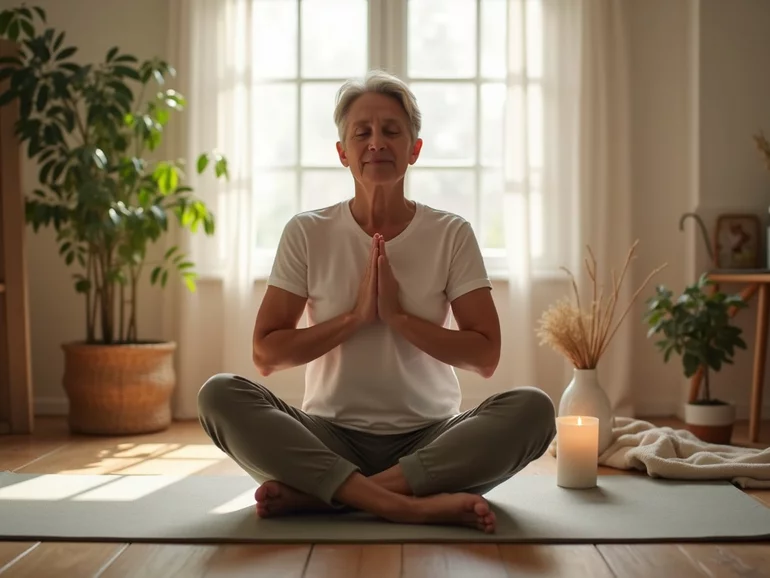
Breathing techniques can be a powerful ally in managing acute pain, transforming the pain experience into a more manageable journey. Many individuals are unaware of how simple practices like focused breathing can drastically improve their quality of life. Let's explore the key lessons that can help you or someone you know take control of acute pain management.
Understanding how breathing techniques impact pain management can enhance individual coping strategies. For a comprehensive overview of various non-pharmacological methods, explore effective pain management techniques without drugs.
Breathing exercises can alter the brain's response to pain signals, helping manage acute discomfort.
Techniques promote relaxation, alleviating muscle tension and improving overall comfort.
Engaging in focused breathing fosters mindfulness, empowering individuals to gain control over their pain.
Regular practice of breathing techniques can enhance overall well-being and daily functionality.
Acute pain can disrupt everyday life, affecting our ability to engage with work, hobbies, and loved ones. As someone dedicated to exploring non-pharmacological methods for pain management, I've seen firsthand how understanding and addressing acute pain can empower individuals. Let's delve into the nature of acute pain, its impact, and how effective breathing techniques can play a role in pain relief.
Acute pain is defined as a sudden onset of discomfort, often signaling injury or illness. This type of pain typically lasts for a short duration, usually ranging from a few minutes to several weeks. Individuals experiencing acute pain can feel overwhelmed, as it often disrupts daily activities and diminishes overall quality of life.
Acute pain can be categorized into different types, including:
Understanding these distinctions is vital for effective pain management, as each type may require different approaches to alleviate discomfort. For more information on managing various forms of discomfort, consider exploring understanding pain management strategies.
Several conditions can trigger acute pain episodes, and recognizing them can pave the way for effective management strategies. Some of the most common conditions include:
By identifying the underlying cause, we can better tailor our pain management strategies to fit individual needs.
Breathing techniques have gained attention in the realm of pain management, particularly for their potential to reduce discomfort and enhance emotional well-being. My interest in these techniques stems from a desire to empower individuals to take control of their pain management journey. Let’s explore the scientific principles behind these methods.
Breathing techniques primarily influence the body’s physiological response to stress and pain. By focusing on controlled breathing, we can activate the parasympathetic nervous system, which helps lower heart rate and blood pressure, promoting relaxation and reducing pain perception. This is where the magic of breath truly comes into play!
Slow Deep Breathing (SDB) involves inhaling deeply through the nose, allowing the abdomen to expand, and exhaling slowly through the mouth. The benefits of SDB include:
Incorporating SDB into daily routines can be a simple yet profoundly effective way to manage acute pain. Learn more about how physical therapies can offer relief in physical therapies for chronic pain.
The vagus nerve plays a crucial role in regulating bodily functions, and its tone can significantly impact pain perception. Improved vagal tone, achieved through breathing techniques, can lead to:
This connection reminds me of how holistic approaches can lead to profound improvements in pain management!
Mindfulness encourages individuals to be present with their experiences, including pain. When combined with breath awareness, it can enhance pain management strategies. The practice fosters a non-judgmental acceptance of pain, which can:
This holistic approach resonates with our mission at Pain Relief Alternatives, where we promote well-being through non-pharmacological methods.
Here's a brief recap of the key points discussed so far:
Understanding the connection between breathing techniques and acute pain relief can be a game-changer for many individuals. As a pain management specialist at Pain Relief Alternatives, I have witnessed how effective these methods can be in helping people find relief without relying solely on medication. The beauty of breathing techniques lies in their simplicity and accessibility, allowing anyone to incorporate them into their daily lives!
Over the years, numerous studies and personal experiences have shown that techniques like diaphragmatic breathing and paced breathing can significantly reduce pain levels. This section will summarize key findings and highlight the overall efficacy of these breathing strategies for acute pain management.
Breathing techniques are proven to be effective in managing acute pain through various mechanisms. The following points summarize the main findings:
As a specialist, it's rewarding to see the positive outcomes many have experienced when integrating these techniques into their pain management routines. If you're curious about how they could help you, think about giving them a try!
Research supports the effectiveness of breathing techniques in alleviating acute pain. Studies have shown that:
Additionally, personal stories from clients at Pain Relief Alternatives illustrate how these techniques have transformed their pain management journeys. It's not just about the research; it's also about real-life impacts!
Ready to explore breathing techniques further? Here are some next steps you can take:
Embracing these techniques can lead to meaningful changes in how you experience pain. At Pain Relief Alternatives, we're here to support you along the way!
Sharing personal experiences can be incredibly powerful in creating a supportive community. I encourage you to share your journey with breathing techniques and the impact they've had on your pain management. Not only does sharing help others who may be struggling, but it can also reinforce your own commitment to practicing these techniques.
Let’s work together to create a space where we can learn, grow, and support one another in our pain management journeys!
As we wrap up this discussion on breathing techniques, it's important to recognize the implications for both future research and clinical practice. The evidence supporting these strategies continues to grow, highlighting their value in pain management. As a community, we need to prioritize ongoing education to adapt to the changing landscape of pain management. Understanding musculoskeletal health basics can also complement these breathing practices.
Future studies should explore:
As we continue to learn, adapting clinical practices to include holistic approaches like breathing techniques can enhance patient outcomes. I firmly believe that by staying informed, we can provide more comprehensive care.
Now is the time to take action! I encourage you to practice the breathing techniques discussed in this article. Start with just a few minutes each day and gradually increase your practice. Remember, every small step counts! If you have questions or want to share your experiences, please don’t hesitate to reach out or comment below. For further insights into managing pain through movement, consider our physical activity and pain relief guide.
At Pain Relief Alternatives, we are here to help you navigate your pain management journey. Let’s empower ourselves and each other to find effective, non-pharmacological solutions together!
Here is a quick recap of the important points discussed in the article: